Introduction
When it involves domicile improvement, floors is customarily one of the most first matters home owners think about. Whether you are upgrading your current floors or putting in anything https://privatebin.net/?641eb634922a6089#EabiBsU45FxQsWcNRK9FLQ7P2mSGwdDYCCikiHBAUSh9 wholly new, picking out the right floors can dramatically difference the appearance and feel of your space. But what once you would like to take on this venture yourself? Well, concern not! We've gathered a few professional DIY deploy facts from gurus at a flooring visitors in Denver to assistance aid you thru the procedure. From picking out the proper fabrics to guaranteeing true setting up systems, we've got obtained you lined.
DIY Installation Tips from Experts at a Flooring Company in Denver
Installing your very own floor should be a beneficial revel in, yet it's obligatory to go into it with the true awareness. Here are some critical recommendations with the intention to save you time, funds, and frustration in the time of your DIY adventure.
1. Choose the Right Flooring Material for Your Needs
Before diving into setting up, contemplate what style of floor suits your daily life high-quality. Are you on the lookout for some thing durable for prime-site visitors areas? Or most likely whatever classy for a proper dwelling room? Here’s a instant rundown of accepted choices:
- Hardwood: Timeless and conventional, hardwood provides heat yet calls for preservation. Laminate: A settlement-beneficial substitute that simulates wood with no the hefty worth tag. Vinyl: Water-resistant and versatile; wonderful for kitchens and bathrooms. Carpet: Offers convenience and heat however can even require extra cleansing.
Why Choosing the Right Material Matters
Selecting the precise fabric isn't practically aesthetics; it also includes about practicality. For instance, households with pets could want to evade hardwood via scratching. Similarly, whenever you're setting up in a moisture-rich surroundings like a rest room or basement, vinyl may be extra accurate.
2. Measure Twice, Cut Once
One of the golden regulations of DIY projects is making sure actual measurements. Here's ways to do it effectually:
Use a tape measure for precision. Measure each room's dimensions one by one. Account for any irregularities like alcoves or fixed qualities (e.g., radiators).Tips on Making Accurate Measurements
Always needless to say to feature more rectangular pictures for waste—normally round 10%. This facilitates cowl error or miscalculations all through setting up.
3. Prepare Your Subfloor Properly
The subfloor is critical because it supports your new floor materials. Follow those steps to arrange it:
- Clean any debris or grime appropriately. Check for moisture considerations via a moisture meter. Repair any damaged areas with patches or leveling compounds.
Why Subfloor Preparation is Key
A neatly-willing subfloor ensures greater adhesion and reduces future problems like buckling or warping.
4. Gather Essential Tools Before You Start
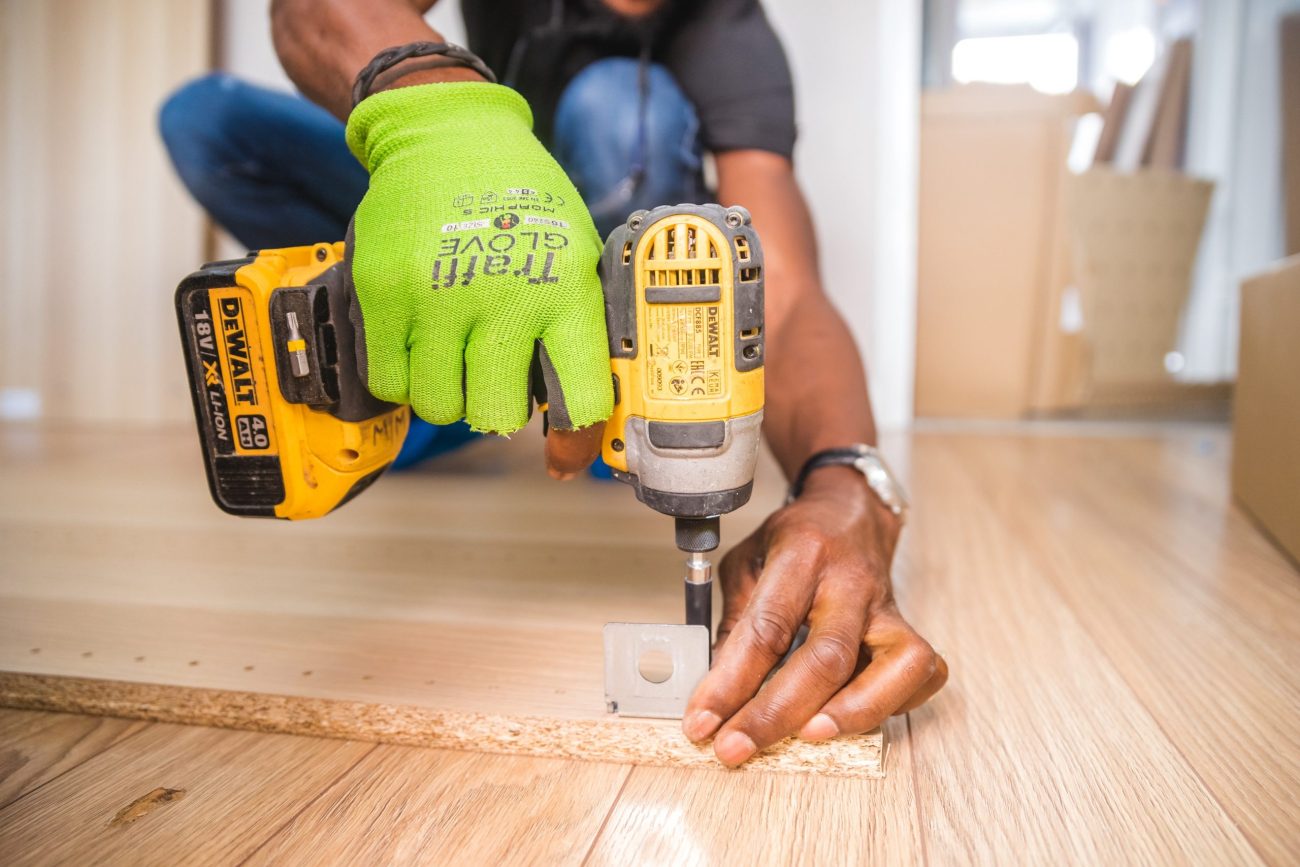
Having the excellent resources to hand could make your complete distinction for your installation job. Consider amassing:
- Utility knife Tape measure Level Trowel Hammer Pull bar
Tool Checklist Table
| Tool | Purpose | |------------------|--------------------------------------------| | Utility Knife | Cutting material | | Tape Measure | Accurate measurements | | Level | Ensuring even installations | | Trowel | Spreading adhesive | | Hammer | Tapping planks into location | | Pull Bar | Tightening seams between planks |
five. Acclimate Your Flooring Materials
Did you understand that many flooring varieties desire acclimation beforehand deploy? This step is relevant for fighting enlargement and contraction afterward.
How to Acclimate Your Flooring Materials
Open containers of flooring and lay them flat within the room where they'll be installed. Leave them there for forty eight hours (as a minimum) to adapt to temperature and humidity stages.6. Start with a Dry Fit
Before committing whatever thing permanently, participate in a dry suit by laying out planks with out adhesive or nails to visualize how they’ll seem to be on your space.
Benefits of Dry Fitting Your Floorboards
This perform allows discover doable worries like color mismatches or awkward cuts beforehand of time.
7. Follow Manufacturer Guidelines Closely
Every ground cloth comes with exact rules related to setting up techniques and necessities; following these can forestall high-priced errors.
Where Can You Find These Guidelines?
You may still discover organization guidance commonly integrated in packaging or reachable on-line by using their reliable website online.
eight. Use Quality Adhesives Where Necessary
If you are running with glue-down merchandise like vinyl flooring, invest in quality adhesives that swimsuit your selected subject matter type.
What Happens If You Skimp on Adhesives?
Using inferior adhesives can lead to lifting edges or tiles not adhering excellent over time—certainly no longer most beneficial!

9. Pay Attention to Environmental Factors During Installation
Temperature and humidity stages can appreciably have an effect on how your flooring installs—ideally, objective for controlled stipulations (70°F and 40%-60% relative humidity).
Why Is This Important?
Extreme temperatures can motive constituents to warp at the same time putting in them improperly may well lead down an unwanted rabbit hole of restore paintings later!

10. Focus on Seam Alignment & Consistency Throughout Installation
To reap that crowd pleasing aesthetic finish everyone dreams approximately calls for aligning seams right which ends up in blank transitions between planks!
Tips on Seam Alignment:
Use spacers alongside edges at some point of installations making sure ok growth space all around both area. 2 Ensure planks staggered %%!%%6b9dad25-1/3-47c8-b09a-8f6da30babd5%%!%% throughout rooms rather than strolling instantly along walls forever!FAQs: Frequently Asked Questions
Q1: What’s the biggest type of ground for houses with pets?
For properties with pets, laminate and vinyl are most suitable decisions as they're scratch-resistant and gentle to easy.
Q2: How long does it take to put in ground myself?
Time varies depending on measurement yet quite often assume any place from in the future up except a number of days depending on complexity.
Q3: Can I install laminate over existing carpet?
No! Laminate may still invariably be mounted over exhausting surfaces akin to concrete subfloors or plywood.
Q4: What's blanketed in such a lot DIY flooring kits?
Most kits encompass planks/panels plus underlayment; take a look at specifics ahead of procuring.
Q5: Should I employ pros if I'm undecided about my abilities?
If you feel hesitant approximately tackling this by myself—it’s intelligent seeking legitimate counsel as an alternative!
Q6: Where can I to find relied on suppliers close to me in Denver?
Look up native listings on-line; many reliable marketers offer items starting from finances-pleasant solutions all means highly-priced decisions!
Conclusion
Embarking on a DIY flooring assignment can appear daunting initially glance—but armed with trained facts from authorities at a floor corporation in Denver coupled with careful making plans—you’ll be properly-prepared for luck! Remember always prioritize guidance along following suggestions carefully at the same time as keeping defense measures higher-of-mind too! So roll up those sleeves considering quickly satisfactory it is easy to have pleasing new flooring gracing every corner of your place!
In precis, no matter if you’re touring a nearby ground shop in Denver, testing concepts at plenty of floor showrooms, or hunting by ground warehouses, being recommended leads in opposition to making skilled choices paving means toward effectual installations reworking houses fantastically!